In the opening days of his second term, President Donald Trump moved swiftly on executive clemency. On January 20, 2025, he issued sweeping pardons and commutations covering approximately 1,500 to 1,600 individuals charged or convicted in connection with the January 6, 2021, Capitol events. This was one of the largest single-day uses of the pardon power in modern history.
Subsequent months brought additional high-profile actions. These included a full pardon for Changpeng Zhao , founder of the cryptocurrency exchange Binance, who had pleaded guilty to federal money laundering violations. In November 2025, Trump granted blanket, full, and unconditional pardons to 77 individuals involved in efforts related to the 2020 election results, including former New York City Mayor Rudy Giuliani, former White House Chief of Staff Mark Meadows, Sidney Powell, and John Eastman. Other notable pardons include former Congressman Stephen Buyer who was charged in an insider trading case.
Reports have also highlighted Trump’s reported comments on potential future clemency. According to the Wall Street Journal , during a closed-door meeting with aides, Trump quipped about pardoning anyone who had come within “200 feet” of the Oval Office, eliciting laughter in the room. Earlier, he had reportedly joked about extending protection to anyone within 10 feet of the office. These remarks were framed as preemptive shields for staff against potential federal charges or inquiries tied to their service. When asked about the report, White House Press Secretary Karoline Leavitt stated that the Wall Street Journal “should learn to take a joke,” while reaffirming the president’s absolute constitutional pardon authority.
These developments, part of a broader track record of roughly 1,600 clemency acts during the current term, have prompted formal congressional scrutiny. In May 2026, Democratic lawmakers initiated an investigation into the clemency process, focusing on potential “pay-to-play” dynamics. They sent document requests and letters to the White House, the Department of Justice, and over a dozen recipients, including Zhao and convicted fraudster David Gentile .
Presidential pardons remain a core constitutional power designed for mercy, correction of injustices, and policy goals. However, the scale and nature of recent actions have intensified debates over executive discretion, traditional Department of Justice protocols, and accountability. The White House and DOJ have strongly denied any impropriety, stressing that all grants received appropriate vetting.
This article provides a factual examination of the pardon process, the volume of recent clemency actions, the key cases driving public and congressional interest, and the implications for governance and public trust as thorough investigations commence.
How Presidential Pardons Work: A Quick Primer
The authority for presidential pardons stems directly from Article II, Section 2 of the U.S. Constitution , which grants the president “Power to grant Reprieves and Pardons for Offences against the United States, except in Cases of Impeachment”. This power is broad and applies exclusively to federal offenses; it does not extend to state crimes or civil liabilities.
Pardons and commutations represent the two primary forms of executive clemency. A full pardon typically forgives the conviction itself, restoring certain civil rights and effectively nullifying the legal consequences of the offense. A commutation, by contrast, reduces or modifies a sentence without erasing the underlying conviction. Presidents may also issue conditional pardons or, in rare cases, preemptive pardons before any charges or convictions occur, as seen historically with President Gerald Ford’s pardon of Richard Nixon.
Most individuals seeking clemency follow the formal process through the Department of Justice’s Office of the Pardon Attorney (OPA). Petitioners generally must wait five years after completing their sentence before applying. The OPA reviews applications, conducts investigations, and forwards recommendations to the White House. However, success rates for routine petitions remain low , historically hovering between 5% and 7%. Thousands of applications often go unacted upon or are denied.
Importantly, presidents retain near-absolute discretion. They may bypass the OPA entirely, act on recommendations selectively, or grant clemency directly based on their own judgment. This flexibility allows for both broad policy-driven initiatives and individualized decisions. All official acts of clemency are tracked and can be reviewed on the Department of Justice’s Pardon Information page and the past clemency actions archive .
In the current administration, this constitutional framework has enabled a high volume of actions, raising questions among lawmakers about the balance between executive authority and established vetting norms.
Go Deeper Than the Headlines
Essential reading on pardon power
The U.S. Constitution Annotated → The Pardon Power: How the Constitution Works → After the Capitol: The January 6th Report → Shop on AmazonAs Amazon Associates, we earn from qualifying purchases.
Trump’s Clemency Surge
President Trump’s use of executive clemency in his second term has been notable for both its scale and speed. On his first day in office, January 20, 2025, he issued sweeping pardons and commutations covering approximately 1,500 to 1,600 individuals charged or convicted in connection with the January 6, 2021, Capitol events. This action represented one of the largest single-day exercises of the pardon power in modern U.S. history.
As of mid-2026, the administration has granted more than 1,700 acts of clemency overall during the current term. This figure includes the initial January 6 wave, additional targeted pardons throughout 2025, and the November blanket pardons for 77 individuals involved in 2020 election-related matters.
For context, these volumes stand out when compared to recent predecessors, though direct apples-to-apples comparisons are challenging due to differing priorities and approaches:
- Trump (Second Term, 2025–present): Over 1,700 clemency acts, heavily concentrated in political and high-profile categories.
- Biden (2021–2025): Approximately 4,200 total acts, the majority being commutations for non-violent drug offenders.
- Trump (First Term, 2017–2021): Around 237 individual pardons and commutations.
- Obama (2009–2017): Nearly 1,900 acts, also with a focus on drug sentencing reform.
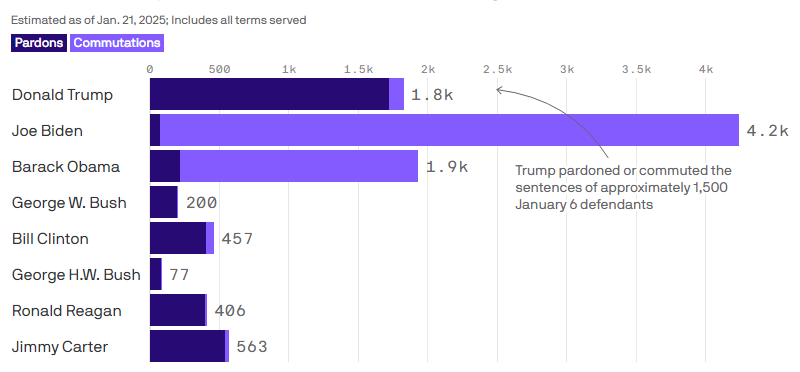
Data: U.S. Department of Justice Chart: Kavya Beheraj/Axios
The bar chart above illustrating these totals visually underscore the concentrated nature of Trump’s recent grants relative to individualized actions by other modern presidents. While routine petitions through the Office of the Pardon Attorney continue to see low approval rates, the current administration has prioritized direct executive actions for broader categories and specific individuals.
This surge reflects the president’s view of clemency as a tool to address perceived injustices and support certain policy objectives. However, the pace and selection of recipients have contributed to congressional concerns regarding process and potential influence.
Detailed records of these actions can be found on the Department of Justice’s page for clemency grants under President Donald J. Trump, 2025–present.
Why These Pardons?
The Trump administration has described its clemency decisions as necessary corrections to perceived injustices and overreach by prior Department of Justice actions. Officials have characterized many of the grants; particularly those related to January 6 defendants and 2020 election matters; as remedies for politically motivated prosecutions. In the case of Changpeng Zhao, the pardon was framed as ending a regulatory “witch hunt” that hindered cryptocurrency innovation. For Stephen Buyer, the administration cited the former congressman’s distinguished public service and contributions to veterans’ issues.
Administration supporters argue that the president is using his constitutional authority to deliver swift justice, protect loyal staff and allies from prolonged legal harassment, and send a signal of support to key constituencies, including the cryptocurrency industry. The White House has repeatedly emphasized that the pardon power is absolute and that all decisions undergo appropriate internal review.
However, these actions have faced pointed congressional scrutiny. In May 2026, Democratic lawmakers in both the House and Senate launched a formal investigation into the clemency process. They have sent document requests and letters to the White House, the Department of Justice, and more than a dozen pardon recipients, including Zhao and convicted fraudster David Gentile, seeking records on communications, payments to Trump-connected lawyers or influencers, and any potential “pay-to-play” arrangements.
Lawmakers, including Senator Peter Welch and Congressman Dave Min, have questioned whether traditional Office of the Pardon Attorney protocols were bypassed in favor of informal networks. The probes aim to determine if financial or political considerations influenced certain high-profile grants.
The White House and Department of Justice have strongly denied any impropriety. Press Secretary Karoline Leavitt, responding to related media inquiries, has described critical reporting as overblown and reiterated that the president’s constitutional authority remains absolute. As of mid-2026, the congressional investigation continues, with requests for preservation of records and potential witness interviews.
This tension between expansive executive use of clemency and demands for greater transparency underscores ongoing debates about the proper limits of presidential mercy in a polarized political environment.
The Cases Driving Scrutiny
President Trump’s clemency actions in 2025 have centered on several categories that have drawn both strong support and significant criticism. The following cases illustrate the scope and nature of these grants.
January 6 Capitol Events and 2020 Election-Related Matters
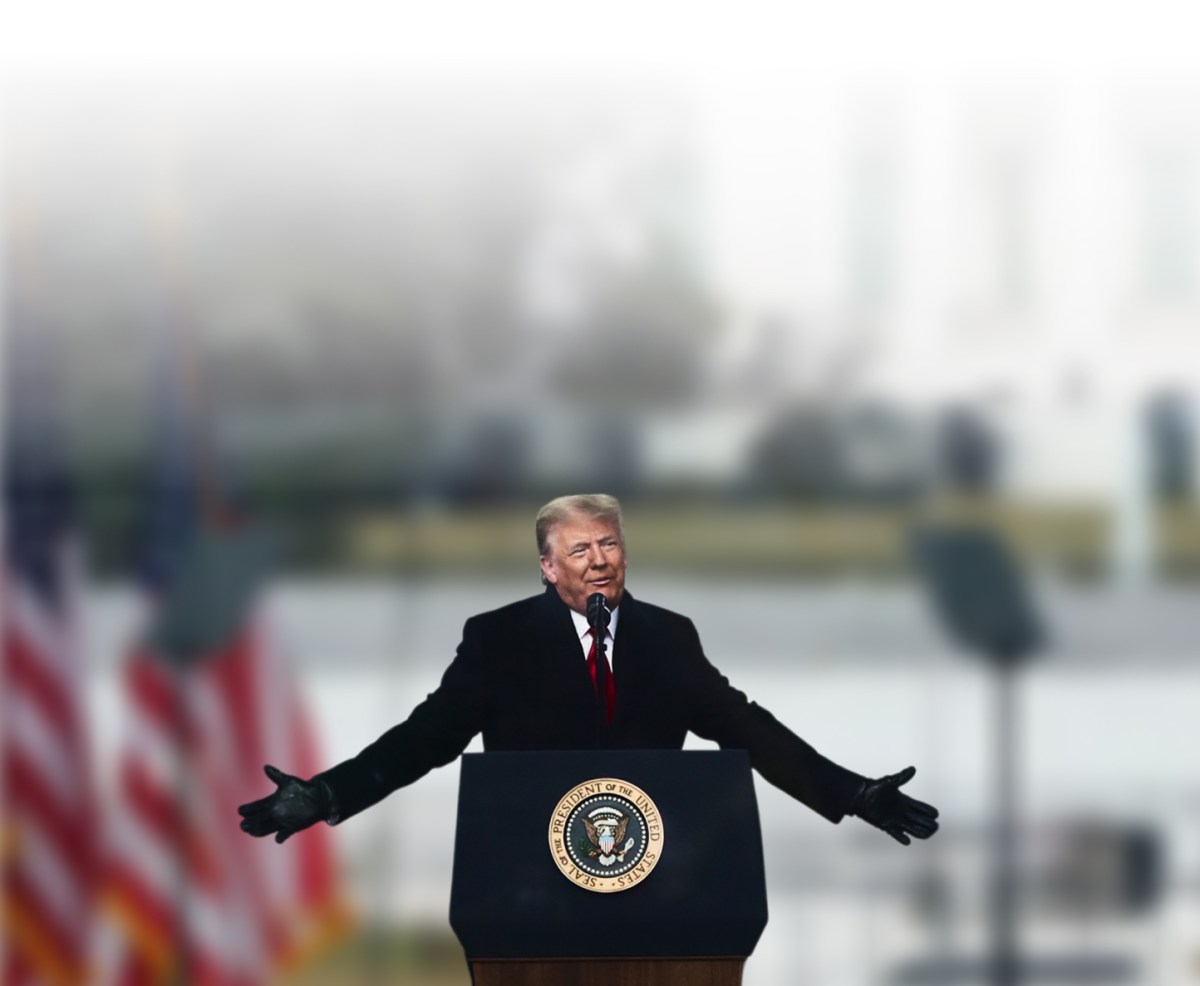
US President Donald Trump on January 6 while giving a speech. Image credit: The White House
On his first day in office, January 20, 2025, President Trump issued sweeping pardons and commutations for approximately 1,500 individuals charged or convicted in connection with the January 6, 2021, Capitol events. This blanket action commuted sentences for prominent figures such as Oath Keepers leader Stewart Rhodes and Proud Boys leader Enrique Tarrio , while extending full pardons to the broader group.
In November 2025, Trump extended blanket, full, and unconditional pardons to 77 individuals involved in efforts to challenge the 2020 election results through alternate electors and related activities. Prominent recipients included former New York City Mayor Rudy Giuliani, former White House Chief of Staff Mark Meadows, attorneys Sidney Powell and John Eastman, and others who advised or participated in these legal and procedural efforts. These pardons addressed potential federal charges tied to the alternate electors scheme.
The administration has described these actions as necessary to end what it views as politically motivated prosecutions. Critics argue they undermine accountability for events that disrupted the certification of the 2020 election.
Stephen Buyer
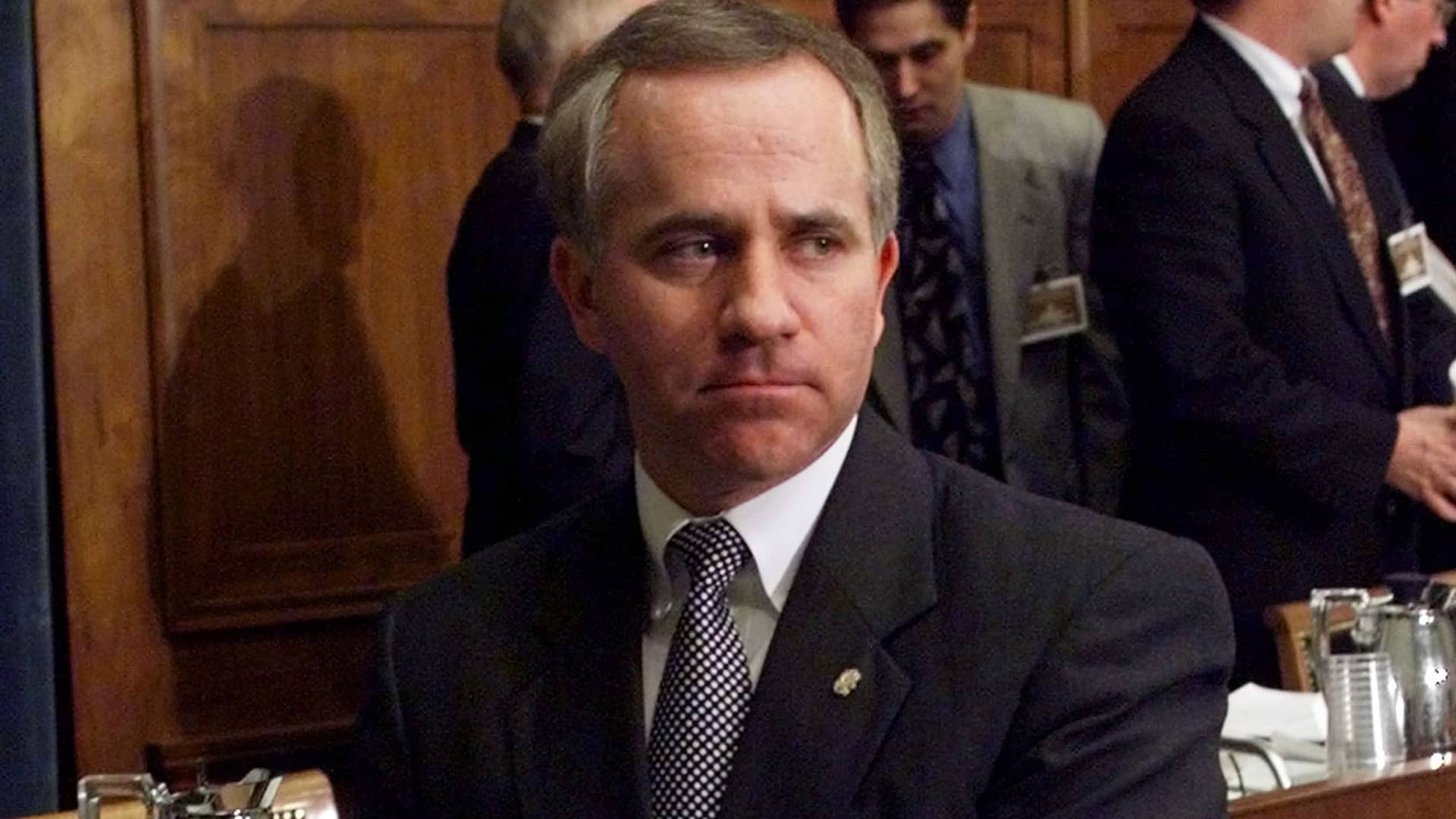
Former Indiana GOP Rep. Stephen Buyer. Image credit: CNBC
In June 2026, President Trump pardoned former Republican Congressman Stephen Buyer of Indiana. Buyer had been convicted of insider trading related to the 2018 T-Mobile and Sprint merger. After leaving Congress in 2011, Buyer formed a consulting firm, the Steve Buyer Group, which provided services to, among other clients, T-Mobile. In 2018 and 2019, he engaged in two separate, but interrelated insider trading schemes to steal material non-public information that he obtained through consulting work.
In March and April 2018, Buyer purchased shares of Sprint Corporation ahead of the April 29, 2018, public announcement that T-Mobile US, Inc. and Sprint would merge in a deal valued at $26.5 billion. He learned about it from a T-Mobile executive at a golf outing, then bought about $568,000 of Sprint stock the next day.
In June through August 2019, Buyer again engaged in insider trading, this time trading in shares of Navigant Consulting, Inc. ahead of Navigant's acquisition by consulting and advisory firm Guidehouse. Guidehouse was another consulting client, and he bought more than $1 million of Navigant shares before the news broke.
Buyer was sentenced to 22 months in prison. The pardon cited his distinguished service as a member of Congress and prior military experience as a U.S. Army judge advocate. The action has been noted as an example of clemency extended to a political ally in a white-collar case.
Changpeng Zhao (CZ)
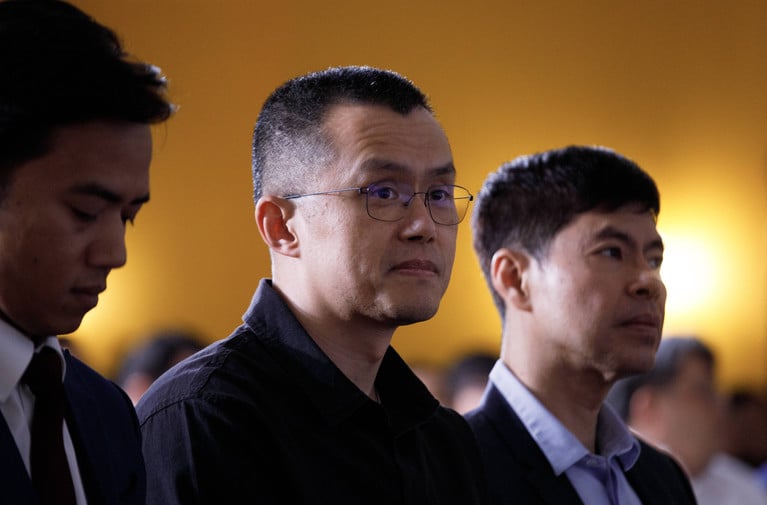
Binance former CEO Changpeng Zhao in court. Image credit: Law.com
In October 2025, President Trump granted a full pardon to Changpeng Zhao, founder of Binance, the world’s largest cryptocurrency exchange. Zhao had pleaded guilty in November 2023 to violating anti-money laundering laws, admitting that the platform failed to implement adequate controls, allowing illicit transactions linked to drug trafficking, child exploitation material, and terrorism financing.
He was sentenced to four months in prison which was far below the three years sought by prosecutors. He completed his sentence in September 2024. Trump described the pardon as addressing a “witch hunt” by the prior administration, stating he acted at the request of supporters and did not believe Zhao’s conduct warranted criminal penalty. The decision has drawn attention due to reports of subsequent business ties between Binance and crypto ventures linked to the Trump family, though Zhao has described such connections as misconstrued.
These high-profile pardons have contributed to the ongoing congressional investigation into the overall clemency process.
Pending Requests and Ongoing Controversies
While many high-profile individuals have already received clemency, several other notable figures remain in the spotlight due to active or recently filed pardon applications. These cases continue to fuel congressional scrutiny and public debate over the clemency process.
Sam Bankman-Fried (SBF)
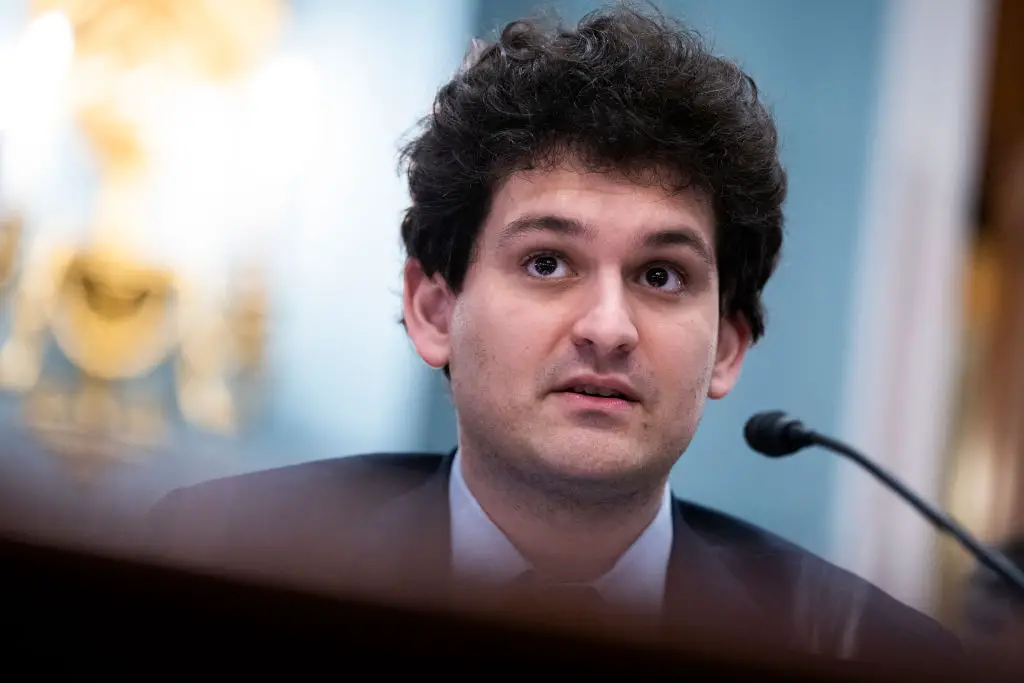
Sam Bankman Fried, SBF. Image credit: TechCrunch
Sam Bankman-Fried, the founder of the collapsed cryptocurrency exchange FTX, formally submitted a pardon application to the Department of Justice in 2026. He is currently serving a 25-year federal prison sentence following his 2024 conviction on multiple counts of fraud, conspiracy, and money laundering related to the multibillion-dollar collapse of FTX, which left customers, investors, and partners with massive losses.
The application, listed as “pending” on DOJ records, seeks a pardon after completion of sentence. It comes amid ongoing recovery efforts in the crypto sector and has drawn attention given Bankman-Fried’s once-prominent role in the industry. As of mid-June 2026, no decision has been announced.
Charlie Javice

Charlie Javice. Image credit: Fortune
According to reports from the Wall Street Journal on Sunday, Charlie Javice, the founder of the student loan assistance startup Frank, has been actively seeking a presidential pardon. In 2025, Javice was convicted on four felony counts of fraud for allegedly inflating user data when selling her company to JPMorgan Chase for $175 million in 2021. She was sentenced to 85 months in prison in September 2025.
According to reports, Javice and her associates have been soliciting support from individuals connected to the Trump administration. Her case has not yet appeared on the formal DOJ clemency list, but the outreach has added to discussions about access and influence in the pardon process.
Broader Scrutiny and Other Cases
The congressional investigation, launched in May 2026, extends beyond granted pardons to examine the wider ecosystem of clemency decisions. Lawmakers have requested records related to multiple recipients, including David Gentile, whose commutation shortly after beginning a seven-year sentence for a large-scale investment fraud has also drawn Democratic criticism.
Democrats, led by figures such as Senator Peter Welch and Congressman Dave Min, continue to press for transparency regarding communications, potential payments to intermediaries, and adherence to standard Department of Justice protocols. The administration maintains that all actions comply with constitutional standards and internal reviews.
These pending requests and the parallel investigation highlight the tensions inherent in the pardon power: the potential for individualized mercy versus concerns about consistency, fairness, and possible external influences.
Mercy, Power, and Accountability
Presidential pardons represent one of the most unfettered powers in American governance. In 2025 and 2026, President Trump has exercised this authority on a significant scale. From the first-day sweeping clemency for over 1,500 January 6 defendants to targeted pardons for figures such as Changpeng Zhao, Stephen Buyer, and the November blanket protections for 77 individuals tied to 2020 election matters. These actions, combined with reported quips about extending preemptive shields to those near the Oval Office, have intensified national conversations about the proper boundaries of executive mercy.
The administration maintains that these grants correct perceived injustices, support loyal public servants, and advance policy priorities such as cryptocurrency innovation. The White House continues to assert that all decisions followed appropriate review and fall squarely within the president’s absolute constitutional authority.
Yet the May 2026 congressional investigation reflects deeper institutional concerns. Democratic lawmakers are probing whether traditional Department of Justice processes were followed or whether informal networks and potential “pay-to-play” considerations influenced outcomes. As document requests and record preservation demands continue, the probe raises fundamental questions about transparency and consistency in the application of clemency.
Researching Sensitive DOJ Files?
Protect your investigation
The congressional probe is requesting private communications and DOJ pardon records. If you're digging through FOIA documents or following the case, use NordVPN to encrypt your connection, NordPass to secure your research logins, and NordLocker for encrypted storage.
Get NordVPN + 3 months free →Includes NordPass and NordLocker on select bundles. Affiliate link.
As the 2026 midterms approach, these developments carry implications that extend beyond individual cases. They touch on public confidence in the justice system, the regulation of emerging industries like cryptocurrency, and the broader balance between political loyalty and accountability. In an era of heightened polarization, the pardon power remains both a vital constitutional safeguard and a potential flashpoint for controversy.
Ultimately, the central question lingers: When does the exercise of presidential mercy best serve the interests of justice and national healing, and when does it risk appearing to serve the interests of the well-connected? The answers may shape not only the remainder of this administration but also the standards by which future presidents wield this unique authority.